
The Definitive Guide to Skinny Ties

By Emma from Arsenic & Old Lace: a masterclass in skinny ties, tailoring, and understated sophistication. First published: December 8, 2025.
When I first fell in love with menswear, it wasn’t because of trends or glossy fashion editorials. It was because of the quiet poetry of details. The hidden stitch inside a collar. The gentle roll of a lapel. The moment a tie knot sits just right.
So, when I first started designing ties at Arsenic & Old Lace, I’ll admit — I didn’t immediately gravitate toward the skinny tie. My natural inclination was toward the richness of cotton prints and the depth of wool tweeds, fabrics that feel rooted in tradition.
But over time, I realised just how versatile and stylish a skinny tie can be. Worn the right way, it adds an effortless modern edge to almost any outfit. And more importantly, it teaches something essential about menswear: proportion is power.
A Little History of the Skinny Tie
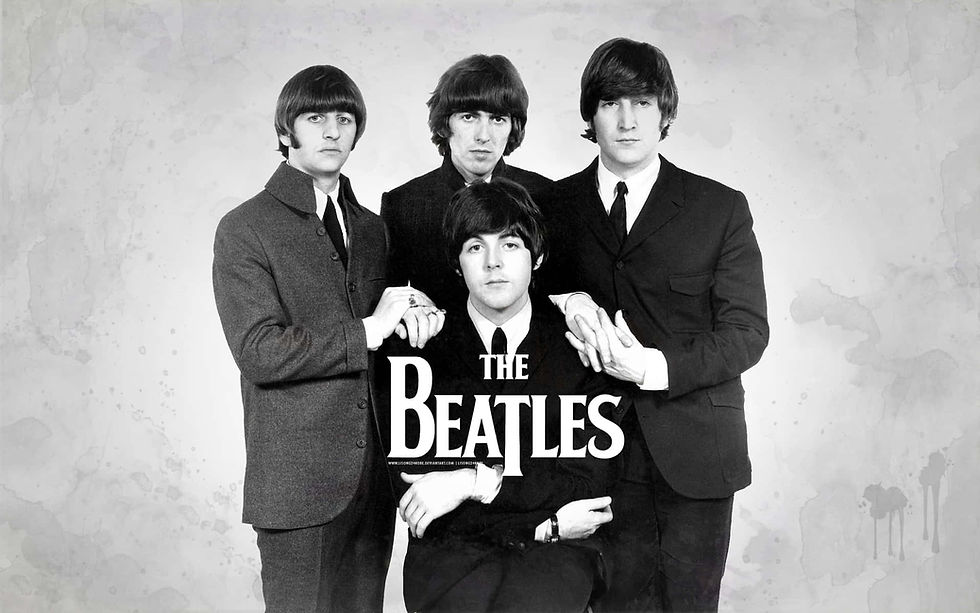
Skinny ties first made their mark in the late 1950s and early 1960s, when sharp tailoring and streamlined silhouettes defined modern style. The Beatles, early mod culture, and mid-century tailoring helped popularise the look — and remarkably, that aesthetic still feels relevant today.
If you enjoy fashion history, the article The Evolution of the Necktie from Tie‑a‑Tie offers a clear, accessible overview of how tie styles have evolved over time. You can also explore a detailed timeline of menswear history through FIT’s Fashion History Archive.
Styles naturally ebb and flow, but the skinny tie never disappeared. And for me, anything that survives cycles, decades, and shifting aesthetics earns the title: modern classic.
Why Skinny Ties Still Matter
Skinny ties offer something standard widths cannot: clean visual sharpness. They create long lines and bring an understated modern edge that works beautifully with contemporary tailoring.
Many modern menswear stylists and editors emphasise that tie width should relate to lapel width. The article Why Your Tie Width Should Match Your Lapel from GQ articulates this principle clearly.
Proportion doesn’t replace personality — but it certainly frames it.
How I Style Skinny Ties
When I wear (or design) a skinny tie, I think about harmony and architecture. A skinny tie shines best when the supporting pieces complement it.
Ideal pairings:
Slim-cut suits and jackets
Semi‑spread or slim shirt collars
Subtle or minimal patterns
For those interested in the technical side of tie styling — how fabric, knot, and collar work together — the Scottsberry Tie Guide provides a detailed breakdown.
Personally, I think a cotton skinny tie looks fantastic in the office, while a wool or tweed version adds a sharper, slightly rebellious edge to more formal events.
When to Wear a Skinny Tie
Skinny ties are incredibly versatile. I’ve worn them — or recommended them to clients — for:
Weddings
Work and business-casual environments
Evenings out
Smart-casual ensembles with a blazer
They offer just enough distinction to feel intentional without ever feeling forced.
A Style Rule Worth Knowing: Proportion
Nearly every credible menswear source agrees: tie width should complement lapel width and body frame. For further reading, these guides align with that principle:
The point isn’t strict rules — it’s intentionality. When proportions align, style feels effortless.
Fabrics and Seasonal Context
Skinny ties aren’t defined by trend, but by texture and occasion. A few examples:
Cotton: crisp and versatile
Linen: relaxed and warm-weather appropriate
Wool or tweed: structured and autumn-friendly
Knit silk: elegant and evening-friendly
For a deeper dive into fabric relevance and how it affects tie styling, the Gitman Bros guide on tie fabrics and fit is a useful reference.
Collar, Knot and Finishing Touches
A skinny tie needs the right knot. The Four-in-Hand knot tutorial is widely recommended because of its clean scale and vertical shape — perfect for narrow ties.
A final detail worth mastering is the dimple beneath the knot. It gives depth, shadow, and a sense of intention. Small, but meaningful.

Why I Include Skinny Ties in Our Collections
At Arsenic & Old Lace, I design for people who value craft and individuality. Including skinny ties in our collections allows us to honour heritage while embracing contemporary proportion.
Because every tie we make is cut and sewn to order, choosing a skinny tie through us isn’t a compromise — it’s a tailored decision.
Frequently Asked Questions
What width counts as a skinny tie? Typically 5–6 cm at the widest point. This definition aligns with contemporary menswear standards, including those noted in Men’s Health.
Are skinny ties formal? Absolutely. Styled correctly, they are appropriate for weddings, business settings, and evening wear.
Do skinny ties suit everyone? Yes — when proportion is considered.
Are all Arsenic & Old Lace ties available in skinny widths? Yes. Every design can be ordered in a slim or classic cut.
Which fabrics work best? Cotton for everyday versatility; wool or tweed for colder seasons or textural depth.
Final Thoughts
Skinny ties aren’t a fad — they’re part of a thoughtful menswear tradition that values proportion, subtlety, and intention. Worn with confidence, they feel modern without ever being loud.
In a world full of details, the ones we choose matter. A skinny tie may be small, but it has the power to change the entire line and tempo of an outfit.
That is why they remain part of our collection — and part of the ongoing story of modern menswear.
Don't forget to browse our full range of skinny ties


Comments